The History of Time

Ancient Egyptian Sundials
3500 BCE - Present
The ancient Egyptian sundial represents one of humanity's earliest attempts at measuring time. These sophisticated instruments used the sun's position to track hours, with the earliest examples dating back to around 3500 BCE. Egyptian sundials were typically made of stone or bronze, featuring a gnomon (the part that casts the shadow) and carefully marked hour lines. They were often placed in temple courtyards and public spaces, serving both practical and religious purposes. The Egyptians' understanding of astronomy and geometry allowed them to create increasingly accurate sundials, with some models accounting for seasonal variations in the sun's path.
Technical Details
Accuracy
±15-30 minutes depending on season
Materials
Limestone, bronze, granite
Variations
Horizontal, vertical, and equatorial designs
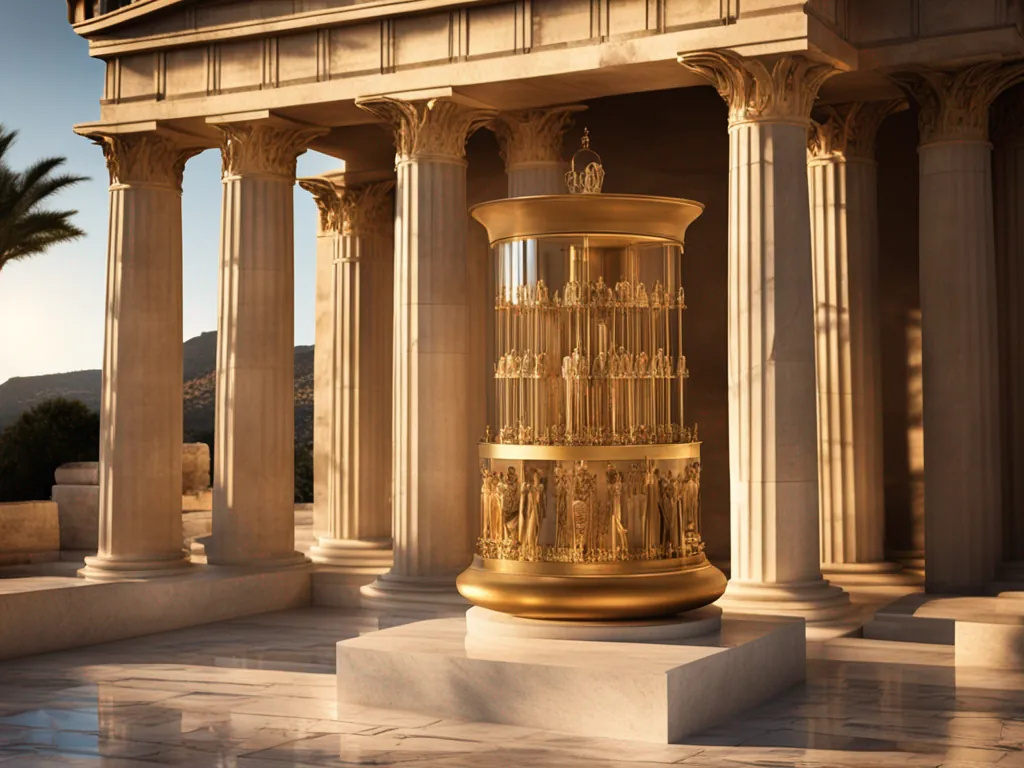
Greek Water Clocks (Clepsydra)
400 BCE - 1600 CE
The Greek water clock, or clepsydra, was a sophisticated timekeeping device that used the steady flow of water to measure time intervals. Developed around 400 BCE, these clocks were particularly important for timing speeches in courts and public assemblies. The design typically consisted of a container with a small hole at the bottom, allowing water to flow at a constant rate. As the water level dropped, it would indicate the passage of time. Some advanced models included mechanisms to maintain constant water pressure and even featured moving figures or sound effects to mark the hours.
Technical Details
Accuracy
±15 minutes per hour
Materials
Bronze, clay, stone
Variations
Simple outflow, constant-flow, and complex mechanical designs
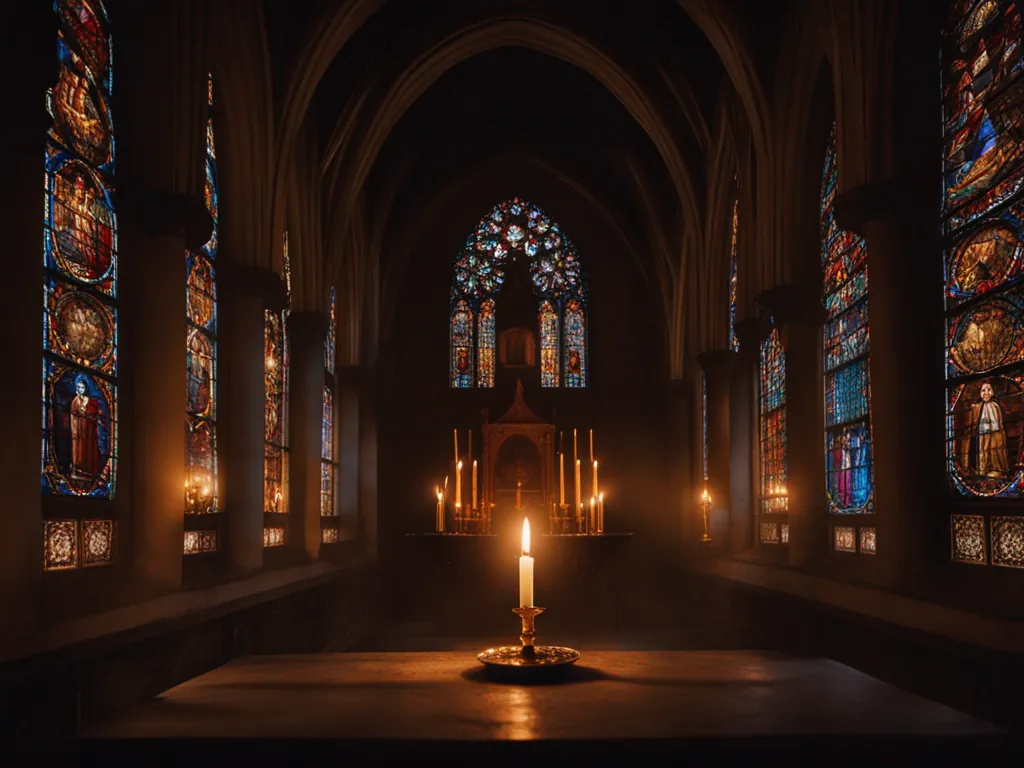
Medieval Candle Clocks
900 CE - 1500 CE
Medieval candle clocks were ingenious timekeeping devices that used the steady burning of marked candles to measure time. Popular in Europe during the Middle Ages, these clocks were particularly useful for nighttime timekeeping and in monasteries for regulating prayer schedules. The candles were marked with evenly spaced lines, and as they burned, the passage of time could be tracked. Some sophisticated versions included metal balls that would drop onto a metal plate as the candle burned through specific points, creating an audible signal.
Technical Details
Accuracy
±10-15 minutes per hour
Materials
Beeswax, tallow, metal
Variations
Simple marked candles, mechanical ball-dropping designs
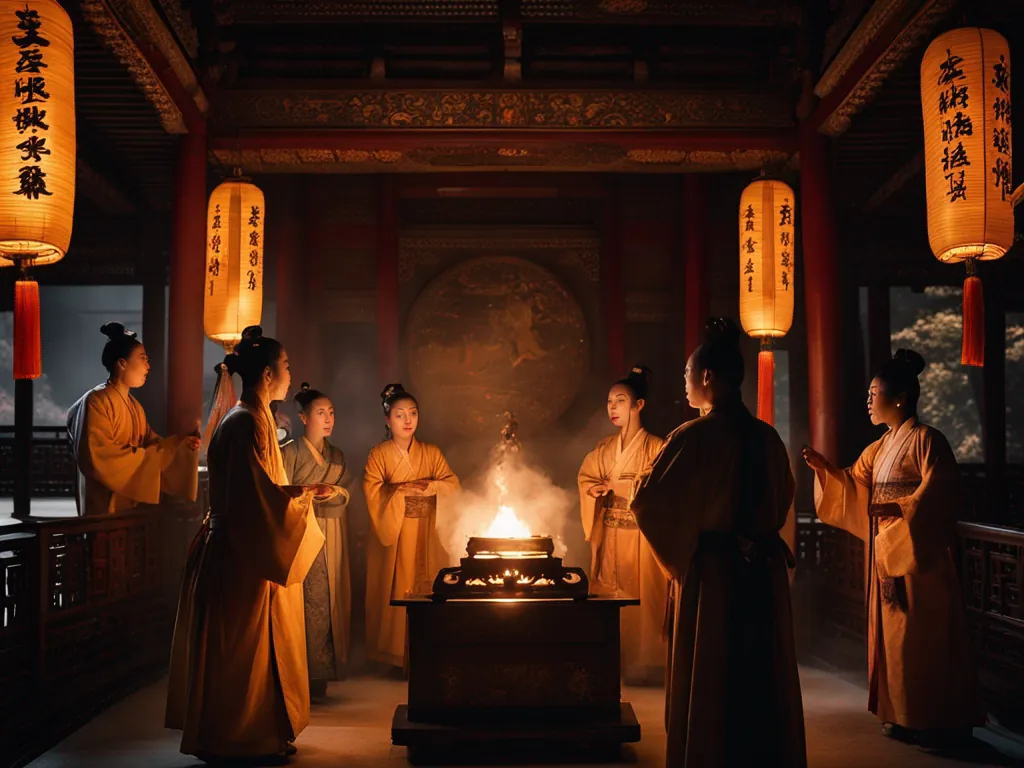
Chinese Incense Clocks
960 CE - 1600 CE
Chinese incense clocks were elegant timekeeping devices that used the steady burning of incense to measure time. Developed during the Song Dynasty, these clocks combined practical timekeeping with aesthetic beauty. The design typically featured a wooden frame with marked incense sticks or coils that would burn at a constant rate. Some sophisticated models included bells that would ring at specific intervals, and others used different types of incense to mark different periods of the day. These clocks were particularly popular in temples, palaces, and wealthy households.
Technical Details
Accuracy
±5-10 minutes per hour
Materials
Incense, wood, and metal
Variations
Stick, coil, and mechanical designs